Animal Pattern with Cute Bear: Whimsy Meets Professional Design
When you find a design asset that genuinely sparks joy while remaining commercially viable, it’s worth taking a closer look. The Animal Pattern with Cute Bear collection is exactly that—a charming, versatile vector illustration set that balances playful aesthetics with practical design needs. Whether you're working on children's apparel, nursery décor, greeting cards, or social media content, this pattern brings a warm, approachable personality to any project.
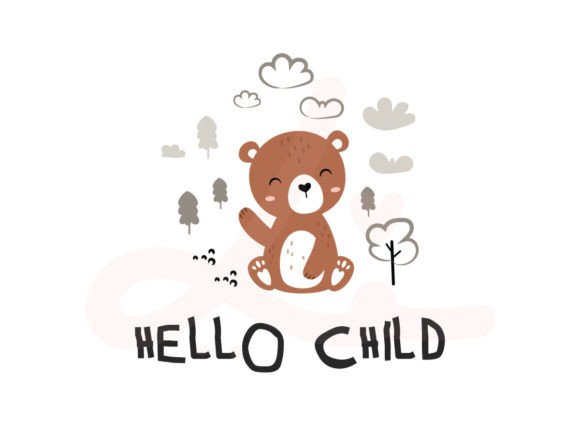
At its core, this collection features a repeating pattern built around an endearing bear character, paired with the text "Hello Child." The illustration style leans into a clean, modern vector aesthetic—think soft lines, rounded shapes, and a friendly demeanor that appeals to both children and the adults purchasing for them. It’s not overly cartoonish or saccharine; instead, it strikes a balance that feels contemporary and thoughtfully crafted. The bear itself has a gentle expression, and the overall composition avoids visual clutter, making it easy to scale and adapt across different formats.
Where This Pattern Truly Shines
The versatility of the Animal Pattern with Cute Bear is one of its strongest selling points. Because it’s delivered in EPS format with fully editable, pre-sizeable vectors, you’re not locked into a single use case. Here are some real-world applications where this asset works particularly well:
- Fabric and Textile Design: The repeating pattern is ideal for children's clothing, blankets, bibs, and soft furnishings. The clean vector lines translate beautifully to both screen printing and digital textile printing.
- Greeting Cards and Stationery: The "Hello Child" text and bear motif make it a natural fit for birth announcements, baby shower invitations, and children's birthday cards.
- Nursery and Kids' Room Décor: Think wall art prints, decals, pillowcases, and curtains. The pattern’s gentle color palette potential means it can adapt to various interior styles.
- Digital Content: Blog headers, social media graphics, YouTube thumbnails, and website banners for parenting blogs, children's brands, or family-oriented businesses.
- Packaging Design: Small businesses selling children's products—bath items, toys, clothing—can use this pattern on labels, boxes, and shopping bags to create a cohesive brand experience.
- Publishing: Book covers, interior chapter illustrations, and activity book designs benefit from the pattern's friendly, engaging visual language.
The layered file structure means you can isolate the bear, adjust the background, swap colors, or rearrange elements without starting from scratch. For designers juggling multiple client projects, this kind of flexibility saves hours.
How a Pattern Like This Influences Brand Perception
Visual consistency matters more than most people realize. When a children's brand uses the same bear motif across its packaging, website, and social media, it builds recognition. Customers start associating that friendly bear with the brand's values—warmth, care, approachability. The Animal Pattern with Cute Bear supports this kind of strategic branding because it’s distinctive enough to be memorable without being so quirky that it limits your audience.
For entrepreneurs and small business owners, choosing the right design assets early on can prevent costly rebrands later. A pattern like this works as a foundational element in a broader brand identity system. Pair it with a clean sans serif font for body text, and you have a visual language that feels cohesive and professional. Use it alongside a playful script font or handwritten font for headlines, and you add personality without sacrificing readability.
Practical Considerations Before You Start Designing
Before integrating any premium font or illustration asset into a project, a few practical checks go a long way. First, consider your color palette. The unlimited color variations available through Adobe Illustrator editing mean you can match this pattern to virtually any brand guideline—soft pastels for a nursery line, bolder tones for a playful toy brand, or muted earth tones for a more modern aesthetic.
Second, think about scale. Because the vectors are pre-sizeable, you can enlarge the bear for a hero image on a website or shrink the pattern down for a subtle texture on business cards without losing quality. Test the pattern at different sizes to ensure the "Hello Child" text remains legible in your intended application.
Third, evaluate font pairings if you’re combining this pattern with typography. A serif font can add a touch of classic elegance to a baby announcement, while a modern typography choice like a geometric sans serif font keeps things feeling fresh and current. The key is contrast—if the pattern is busy, keep your type simple, and vice versa.
Finally, review the licensing. This collection includes both EPS and JPG files, and the layered structure gives you significant editing freedom. Make sure the usage rights align with your project scope, especially if you’re creating items for commercial sale. Most quality design assets like this one are licensed for both personal and commercial use, but it’s always worth confirming.
Final Thoughts on Working with Playful Patterns
Designing for children's markets—or any audience that appreciates warmth and whimsy—requires a specific touch. The Animal Pattern with Cute Bear succeeds because it doesn’t try too hard. It’s charming without being cutesy, professional without being sterile. For designers, marketers, and creators who need a reliable, adaptable asset that brings genuine personality to a project, this collection delivers.
The real value lies in its editability. You’re not buying a static image—you’re investing in a flexible creative tool that can evolve with your projects. Whether you’re building a brand identity from scratch, refreshing an existing product line, or creating one-off pieces for clients, having a well-crafted, fully editable pattern in your toolkit makes the design process smoother and the results more polished.
Take the time to experiment. Open the EPS file, play with the layers, test different color combinations, and see how the pattern interacts with your other design assets. The best creative work often comes from that kind of hands-on exploration—and with a foundation as solid as this one, you’re starting from a strong place.