Homeless Animal Shelter Cage with Sad Ca: More Than a Font
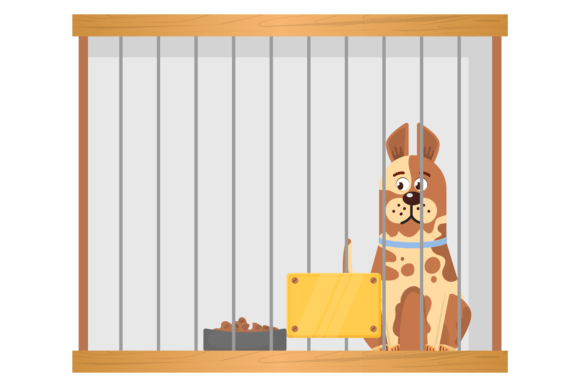
You’ve seen it before, maybe on a flyer for a local adoption event or a social media post that stopped your scroll. The image is immediate and emotionally charged: a Homeless Animal Shelter Cage with Sad Ca. It’s not just a visual; it’s a story condensed into a single frame. For designers, marketers, and content creators, understanding this powerful asset is key to using it effectively and ethically.
Unpacking the Visual and Emotional Weight
This isn't a generic clipart cage. The Homeless Animal Shelter Cage with Sad Ca is a carefully crafted illustration, often available as an EPS, JPG, or transparent PNG. Its power lies in its specific details. The cage itself is typically drawn with a slightly worn, institutional look—think thin wire bars, a simple latch, and a plastic or metal tray. It’s functional, not cruel, which keeps the focus on the animal’s emotion rather than graphic suffering.
The “sad” element is the core of its personality. The cartoon dog or cat inside is rendered with large, expressive eyes, a slight droop to its ears or head, and a posture that conveys longing and hope. The style is often a blend of realism and gentle cartooning, making it approachable for a wide audience while still feeling authentic. The isolated white background is crucial—it strips away context, forcing the viewer to confront the subject directly. This clean presentation makes it a versatile design asset for layering onto any colored or textured background.
Where This Asset Truly Shines
Its applications are specific and powerful. For brand identity and logo design for animal shelters, rescue organizations, or pet-focused charities, this image can become a cornerstone of their visual language. It immediately communicates mission and empathy. In editorial design, it’s perfect for magazine articles or blog posts about pet adoption, animal welfare, or community support. The image can anchor a spread, providing a clear visual anchor for the narrative.
For packaging design on products where a portion of proceeds supports animal causes, this graphic adds a layer of authenticity and purpose. It tells a story on the shelf. In the digital realm, it’s invaluable for social media graphics, website banners, and email marketing campaigns. Its high-contrast nature ensures it pops in a crowded feed, and its emotional resonance can drive higher engagement and click-through rates for calls to action like “Adopt” or “Donate.”
Strategic Use for Maximum Impact
Using an asset with this much emotional weight requires thoughtful strategy. Its primary strength is in evoking empathy and action, so it should be reserved for projects where that is the core message. Pairing it with the right typeface is critical. A clean, modern sans serif font for body text can keep the focus on the image, while a slightly more humanist serif font for headlines can add a touch of gravitas. Avoid overly playful or decorative script fonts that could clash with the serious tone.
Consider the principle of visual hierarchy. The sad animal in the cage should almost always be the focal point. Text should support it, not compete. Use ample white space to let the image breathe. For web design, ensure the image file is optimized for fast loading but retains its clarity. When using it in print, the transparent PNG version is often most useful for seamless integration.
A Note on Sensitivity and Authenticity
The power of the Homeless Animal Shelter Cage with Sad Ca comes from its honest depiction of a difficult situation. For marketers and entrepreneurs, this means using it with integrity. It should accompany genuine campaigns, fundraising drives, or educational content. Using it in a purely commercial context unrelated to animal welfare could come across as exploitative and damage brand trust. Its best use is when the visual story aligns perfectly with the written message and the organization’s actions.
For crafters and hobbyists, it can be used in personal projects like awareness ribbons, community bulletin boards, or handmade items for charity auctions. The key is maintaining the respectful tone the asset was designed to convey. Always check the commercial font or asset license if you plan to use it in products for sale, even for a good cause.
Making the Right Choice for Your Project
Before you download or purchase, ask yourself a few questions. Does the overall style of the illustration match your project’s aesthetic? Is the level of cartoonishness appropriate for your audience? Test the font pairing by placing sample text next to the image in your design software. Does the typography complement or distract? Review all the available formats—the vector EPS is ideal for scaling without quality loss, while the PNG is ready for quick digital use.
Think about your audience’s reaction. For a campaign targeting adults 20-50, the blend of realism and cartoon in the Homeless Animal Shelter Cage with Sad Ca often hits the right note—it’s emotionally engaging without being overly simplistic. It can bridge the gap between professional marketing materials and grassroots community outreach.
Ultimately, this isn’t just another piece of creative font or graphic. It’s a piece of visual storytelling with a clear purpose. Used thoughtfully, it can amplify a message, build community connection, and drive real-world results for the causes it represents. Its value lies not in its complexity, but in its clarity and heart.